
Gel-cream · target pH 5.5–6.0 · 16 ingredients
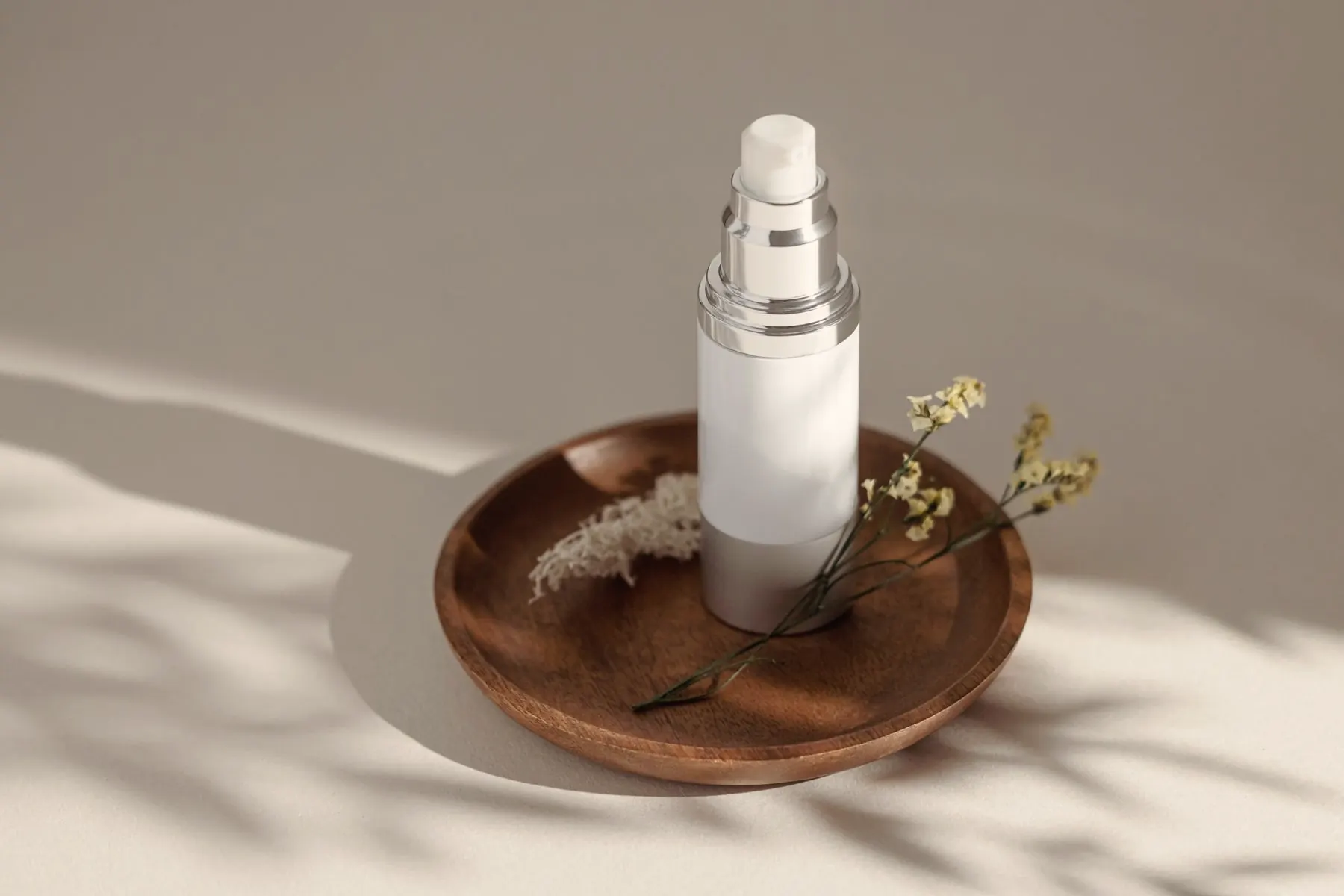
Barrier Gel-Cream
Sodium Hyaluronate 0.10% · Ceramide NP 0.10% · Niacinamide 4.00% · Panthenol 1.00%
In developmentOpen in the prototype →
OVRA · Skin science from Sydney
Skincare from Sydney, formulated with our own AI.
OVRA is a skincare brand from Sydney, built on its own formulation AI.
OVRA Science builds predictive formulation software for skincare and cosmetic chemistry.
Our formulas start with botanical and skin-identical actives. OVRA Formulate turns each brief into complete candidate formulas: every INCI ingredient with its percentage, its role, its market limits and its cost. Bench results flow back into the models, so each round narrows the next.
From leaf to molecule
We start with the plant and finish with the molecule. Knowing exactly what each ingredient is tells us where it belongs in a formula and how much to use.
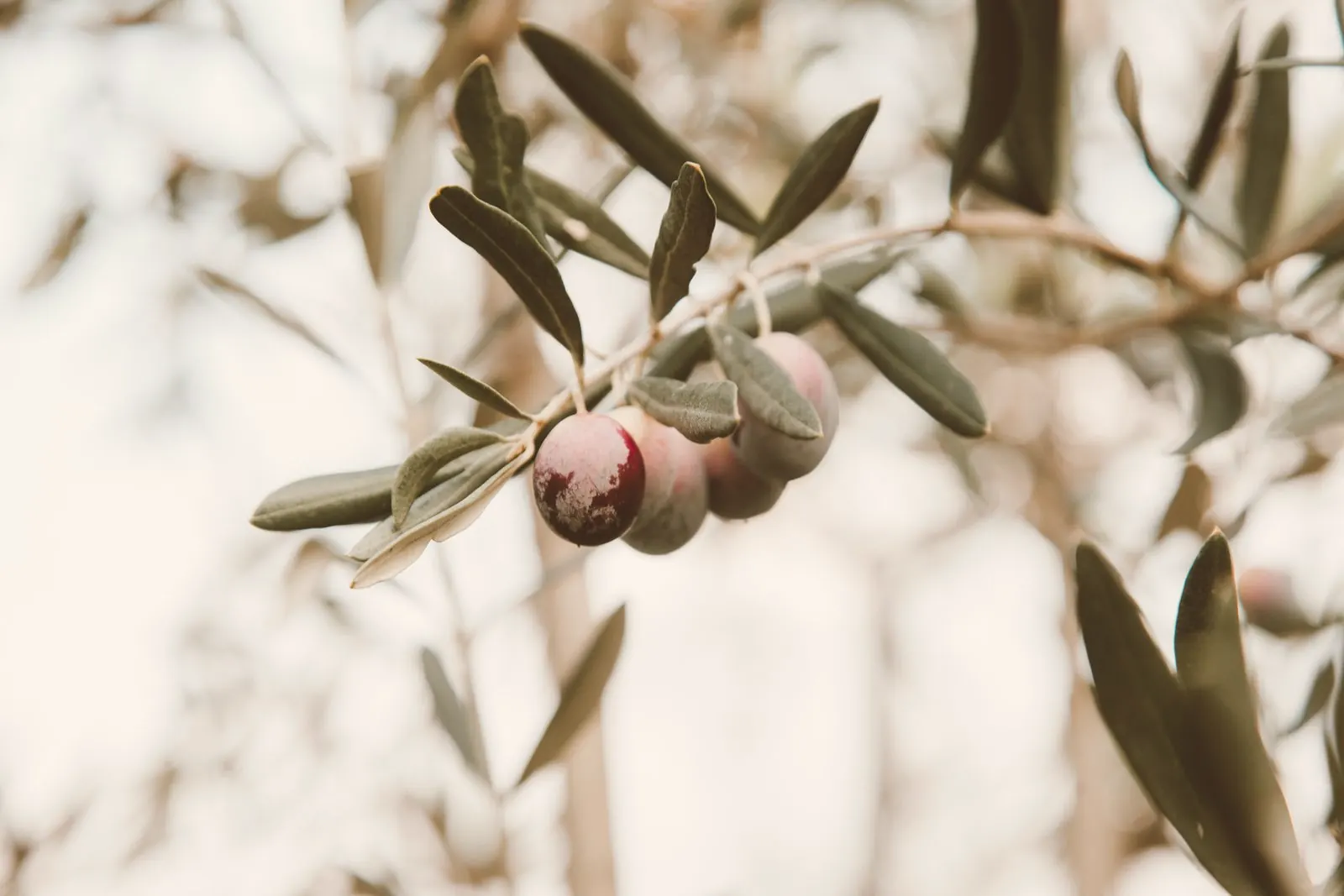
Olive · Olea europaea
A stable, skin-identical emollient, made by hydrogenating squalene recovered from olive oil.
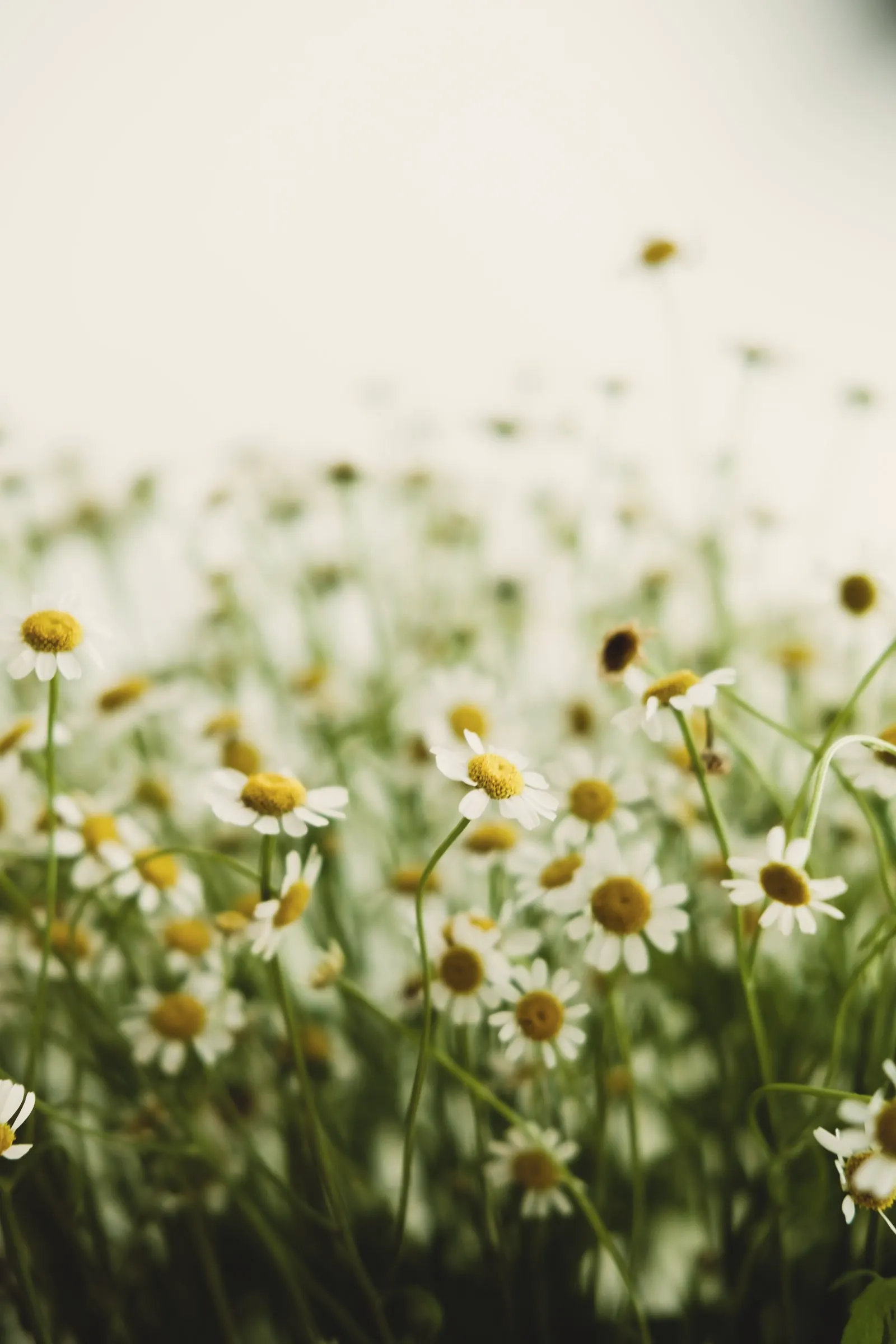
German chamomile · Matricaria chamomilla
A sesquiterpene alcohol and a principal component of chamomile essential oil, used in calming formulas.
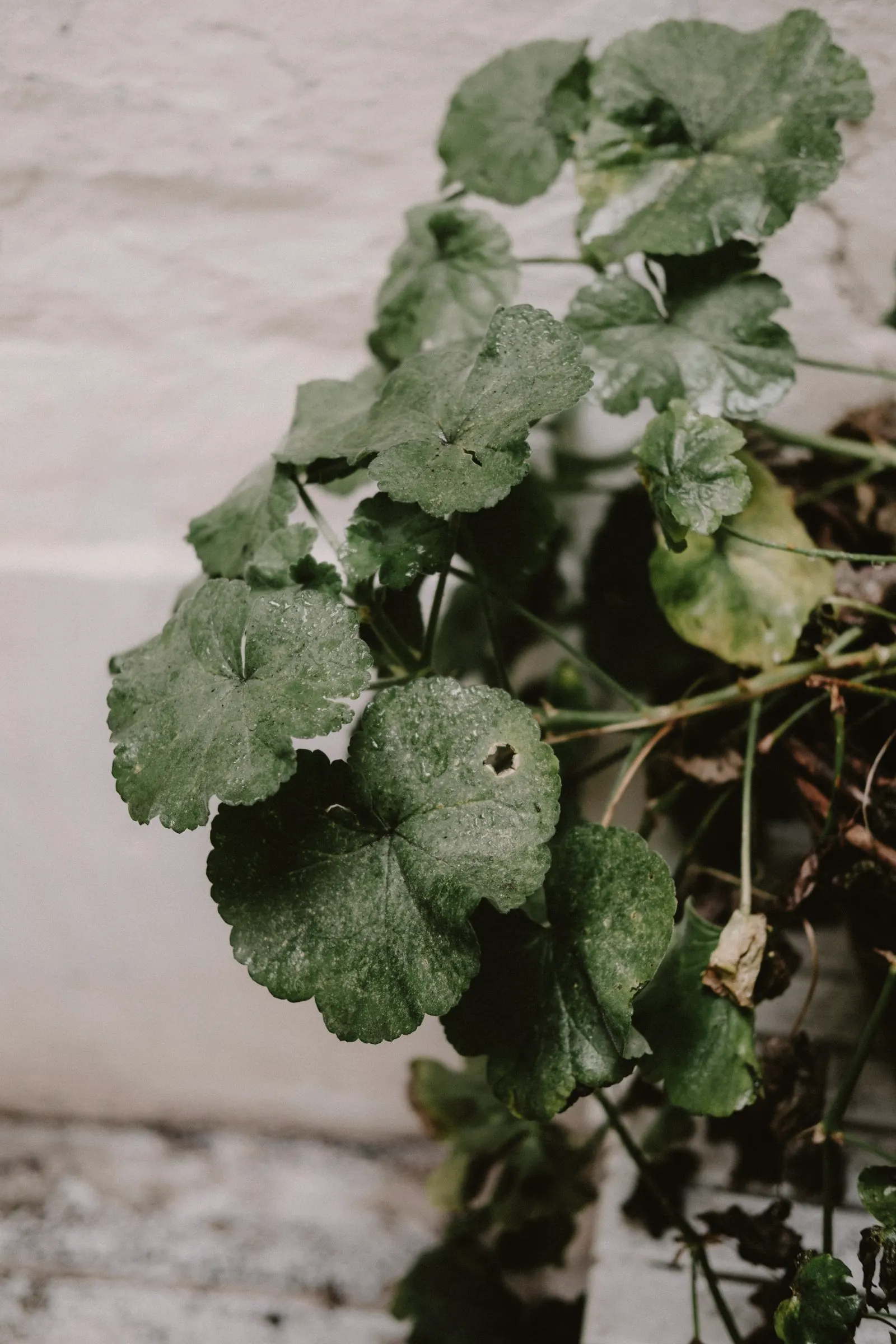
Gotu kola · Centella asiatica
A triterpene glycoside and the marker compound of centella extract, used in soothing formulas.
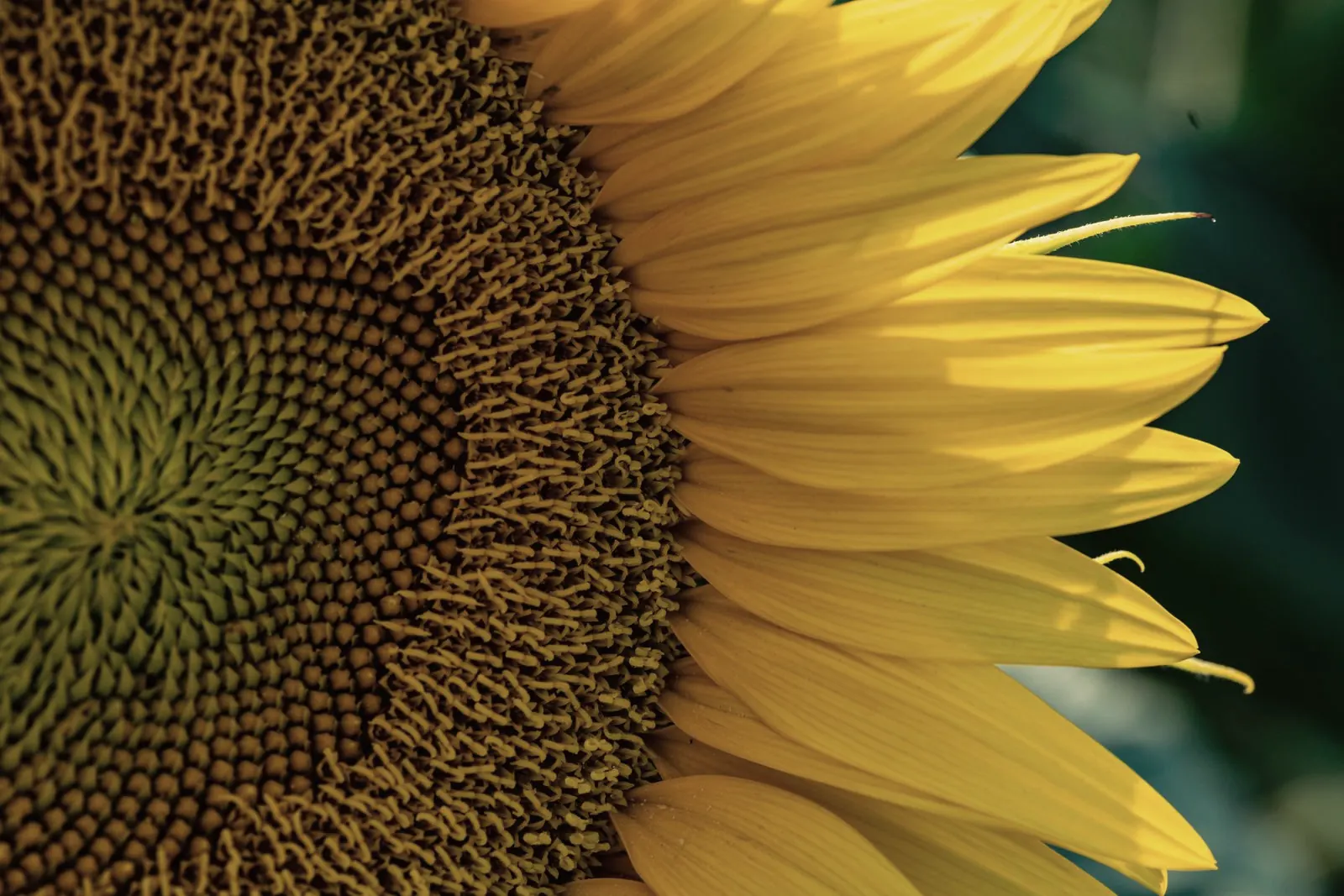
Sunflower · Helianthus annuus
Vitamin E from seed oils: an antioxidant that protects the oils in a formula from oxidation.
The formulas
Each one is designed, checked and costed on OVRA Formulate before it reaches the bench. None is on sale yet.
Gel-cream · target pH 5.5–6.0 · 16 ingredients
Sodium Hyaluronate 0.10% · Ceramide NP 0.10% · Niacinamide 4.00% · Panthenol 1.00%
In developmentOpen in the prototype →
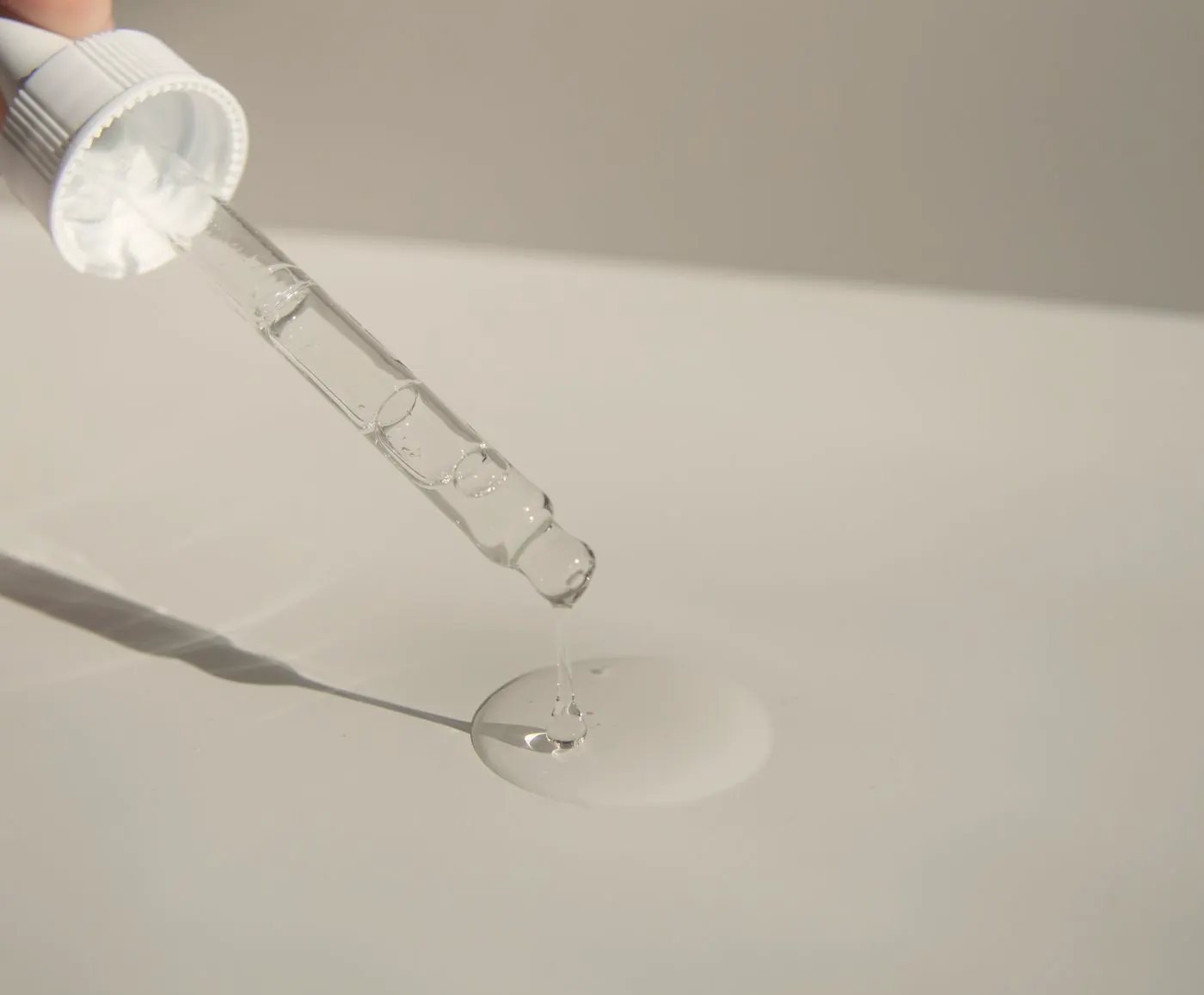
Serum · target pH 5.5–6.0 · 12 ingredients
Sodium Hyaluronate 0.10% · Niacinamide 4.00% · Alpha-Arbutin 2.00% · Panthenol 1.00%
In developmentOpen in the prototype →
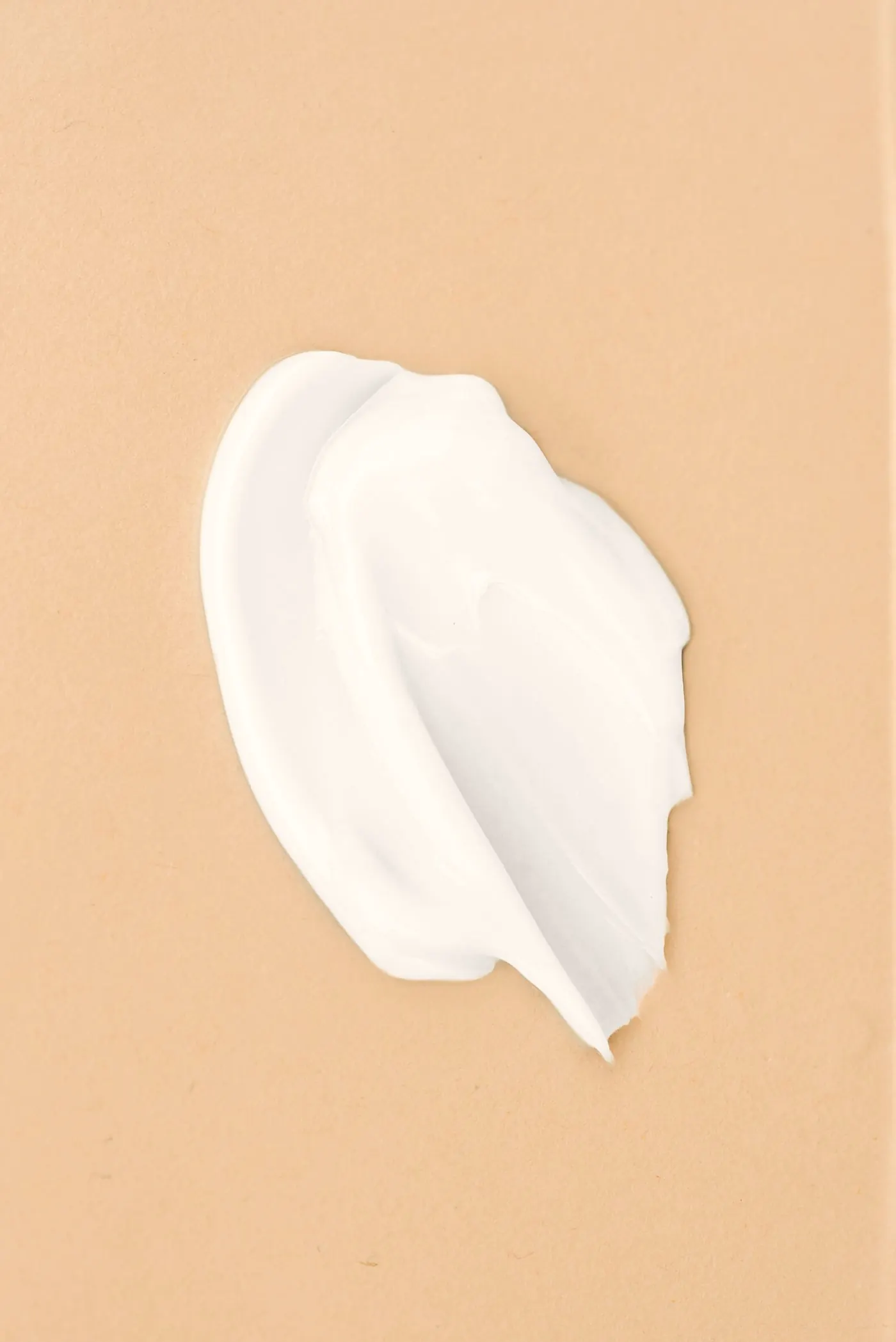
Cream · target pH 5.5–6.0 · 18 ingredients
Allantoin 0.20% · Sodium Hyaluronate 0.10% · Panthenol 1.00% · Centella Asiatica Extract 0.50% · Bisabolol 0.10%
In developmentOpen in the prototype →
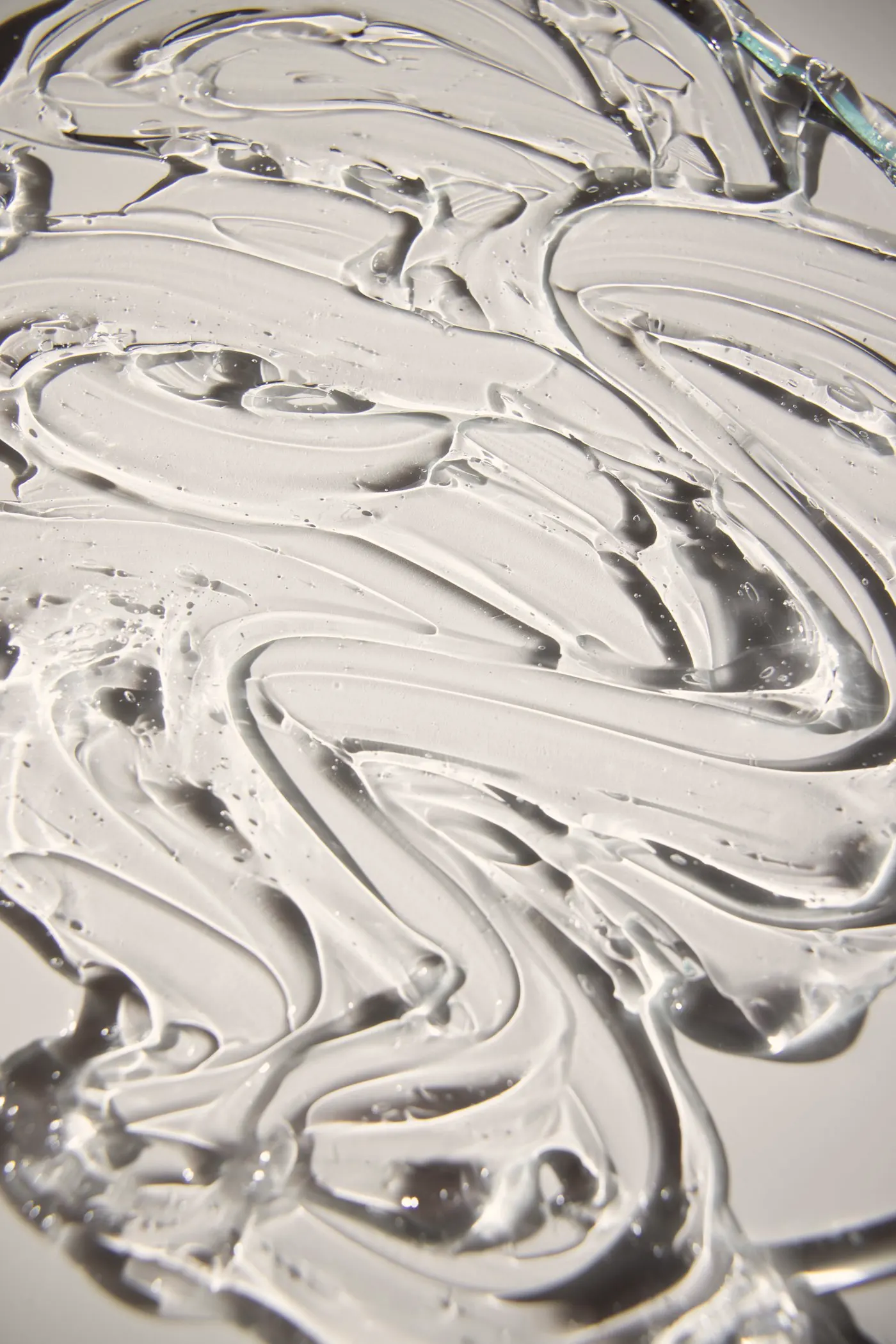
Gel cleanser · target pH 5.2–5.7 · 11 ingredients
Allantoin 0.20% · Panthenol 0.50%
In developmentOpen in the prototype →

Large beauty groups now test formulas in simulation before they reach the lab. Independent brands and formulation teams still work by trial and error, one bench round at a time.
In March 2026, L’Oréal announced it would use NVIDIA ALCHEMI to predict how ingredients perform and interact at an atomic scale. OVRA Science is building that predictive discipline for independent brands and formulation teams. Source: L’Oréal, 17 March 2026.
Method
Read one formula, step by step. Each step produces something a chemist can check. Nothing is hidden inside a score.
Water phase83.10%Oil phase10.80%Cool-down6.00%Adjust0.10%
BriefGel-cream · Barrier support, Hydration · Australia, European Union · Target A$18.00/kg
Candidate A OVRA Formulate prototype
| Phase | INCI name | % w/w | Function |
|---|---|---|---|
| A Water phase | Aqua | 77.50 | Solvent |
| Glycerin | 5.00 | Humectant | |
| Carbomer | 0.25 | Rheology modifier | |
| Xanthan Gum | 0.20 | Rheology modifier | |
| Sodium Hyaluronate | 0.10 | Humectant | |
| Sodium Phytate | 0.05 | Chelating agent | |
| B Oil phase | Squalane | 4.00 | Emollient |
| Cetearyl Olivate, Sorbitan Olivate | 3.50 | Emulsifier | |
| Caprylic/Capric Triglyceride | 3.00 | Emollient | |
| Tocopherol | 0.20 | Antioxidant | |
| Ceramide NP | 0.10 | Skin conditioning | |
| C Cool-down | Niacinamide | 4.00 | Skin conditioning |
| Panthenol | 1.00 | Humectant | |
| Phenoxyethanol | 0.90 | Preservative | |
| Ethylhexylglycerin | 0.10 | Preservative booster | |
| D Adjust | Sodium Hydroxide | q.s. | pH adjuster |
| Total | 100.00 |
Brief
Format, texture and skin feel, claims, target markets and a cost ceiling per kilogram.
Gel-cream · barrier support, hydration · AU, EU · ≤ A$18.00/kgCandidate
A complete formula in four phases: water, oil, cool-down and adjustment, totalling exactly one hundred per cent.
16 ingredients · 100.00% w/wChecks
Each ingredient is checked against the markets in the brief, with the rule it comes from, before anything is weighed.
Phenoxyethanol 0.90% ≤ 1.0% · EU Annex VCost
Cost per kilogram is calculated from the price list, so the brief’s ceiling is tested before the first sample.
A$13.32 per kg · target A$18.00Bench loop
The prototype sets a target pH window and viscosity band, with process notes. Stability, pH and viscosity results from the bench train the next prediction.
Target pH 5.5–6.0 · model-based prediction in developmentThe ingredient library
The library is built on measured chemistry. Polarity and size explain where an ingredient belongs in a formula, and what it will do there.
Platform
Built in modules. Each one is marked with where it stands today.
Turns a brief into complete candidate formulas, with the role of every ingredient.
Working prototype
Ingredient limits and labelling duties for Australia, the EU and China, each traced to its regulation.
Working prototype, reference rules
Cost per kilogram from your own raw-material price list, recalculated as prices move.
Working prototype
pH, viscosity and stability models trained on bench results.
In development
Molecular-level screening of new ingredients before anything is sampled.
Planned
Bench loop
In the first round, predictions lean on published formulation data, so the range is wide. Each stability, pH and viscosity result from your own bench narrows it.
The model learns your raw materials, your process and your equipment. Fewer rounds to a stable formula means faster launches and less wasted material.
Science and technology
Public chemical and regulatory data, combined with results only your lab can produce.
Data
Extraction
Ingredient graph
Property models
Formulate
NVIDIA technology · planned
Property-prediction models will be trained in PyTorch on NVIDIA GPUs as bench data accumulates.
To serve literature-extraction and formulation models efficiently at scale.
To simulate ingredients that lack published data, using machine-learned interatomic potentials and molecular dynamics.
Workloads: data science · generative AI · simulation and modelling
Company
OVRA Science is the research and software brand of OVRAGROUP PTY LTD, a Sydney company incorporated in 2024 and working in skincare product development.
A product developer sets the target: format, texture and skin feel, claims, cost per kilogram and the markets the product must comply with. OVRA Formulate proposes complete candidate formulas, every INCI ingredient with its percentage and role, checks each ingredient against market limits for Australia, the EU and China, and prices the formula from raw-material data. Bench results for stability, pH and viscosity flow back into the models, so each round narrows the next.
Our working prototype is live at ovrascience.com.au. Next, we will train property-prediction models in PyTorch on NVIDIA GPUs, serve them with NVIDIA NIM, and use NVIDIA ALCHEMI to simulate ingredients that lack published data.
Our own product development, including the OVRA Skin Studio range, is the first testing ground for OVRA Formulate. Every project adds bench results the models learn from.
Every candidate is a starting point for a qualified formulation chemist. Nothing reaches a customer without bench and stability testing.
Brand partners’ formulas and bench results are never used to train models for anyone else, and will be hosted in Australia.
We work within cosmetic claims. Every check links to the regulation behind it.
Noelle Huang
Founder and Director
Leads product development and brand partnerships.
Name to be confirmed
Machine learning engineer
Builds the formulation models and data pipeline.
Name to be confirmed
Formulation chemist
Reviews every candidate and runs the bench loop.
Questions
Software that turns a skincare product brief into complete candidate formulas, with every ingredient’s percentage, market checks and raw-material cost, and that learns from bench results over time.
Independent skincare brands, formulation chemists and product-development teams who want fewer bench rounds for each product.
No. Candidates are starting points. A qualified chemist reviews every formula, and nothing reaches a customer without bench, stability and safety testing.
The prototype covers a reference set of EU Annex III and Annex V limits, preservative limits for China, and Australian notes on AICIS introduction and therapeutic claims. Coverage is expanding.
We will train property-prediction models in PyTorch on NVIDIA GPUs, serve them with NVIDIA NIM, and use NVIDIA ALCHEMI to simulate ingredients that lack published data.
Brand partners’ formulas and bench results stay private to them. They are not used to train models for anyone else and will be hosted in Australia.
Contact
Brand partners, formulation teams and researchers: tell us what you are making.
hello@ovrascience.com.au